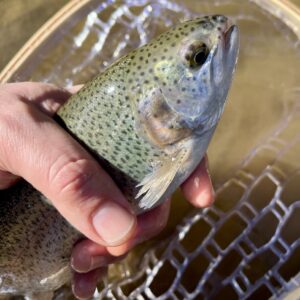
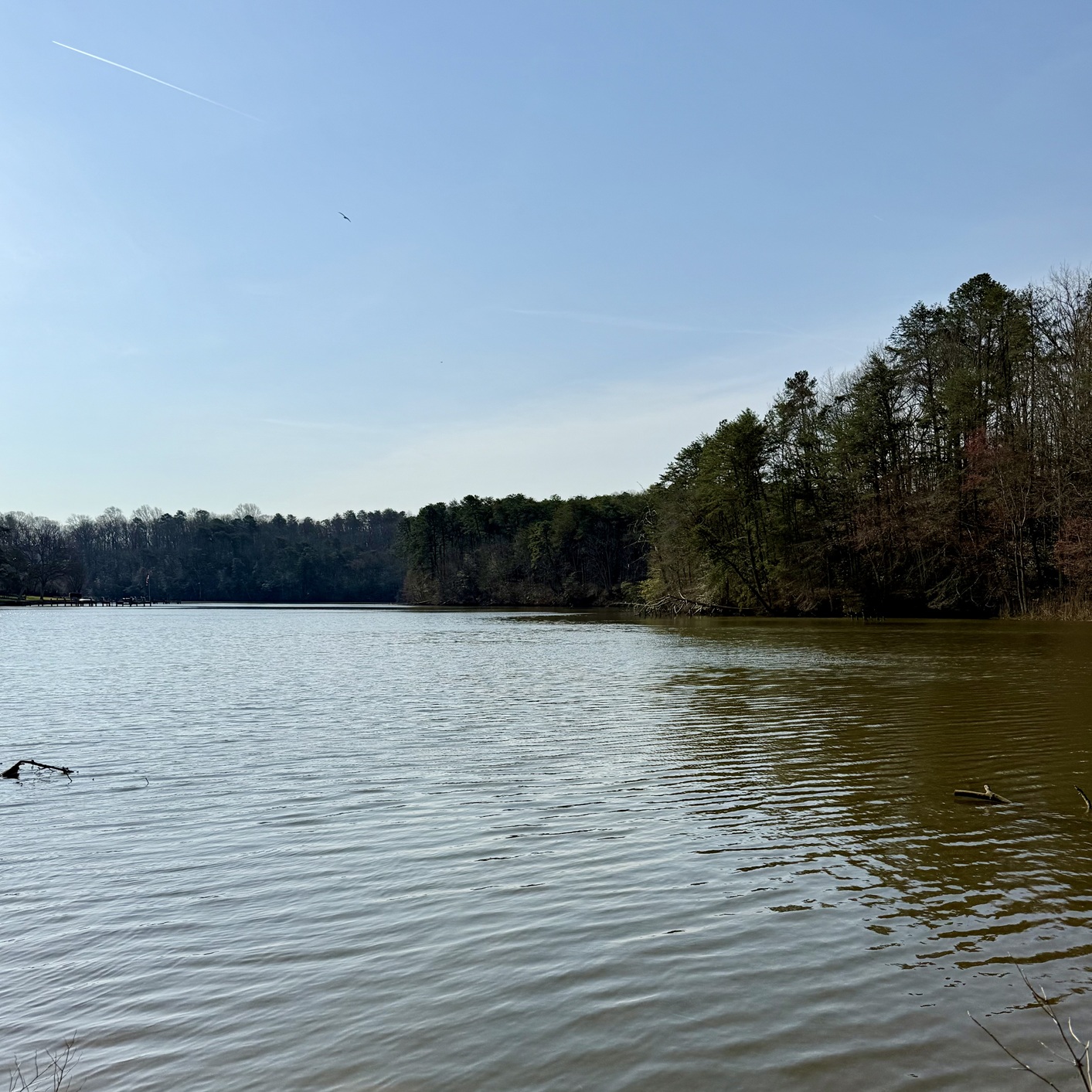
Signs are everywhere that activity in the upper Severn watershed is increasing, from the perch spawn to eagles, hawks, ospreys, turtles, deer, and foliage springing to life!
The headwaters are becoming increasingly active during early spring at Severn Run. In the past couple weeks, I’ve made no less than four runs upriver, by boat or by foot, to observe wildlife activity and, okay, maybe try a little bit of angling. What I’ve seen this year is quite encouraging: signs of yellow perch spawning, the skunk cabbage pushing up, ospreys and eagles, plus abundant evidence of multiple other fish species. Signs, signs, everywhere signs…indeed.
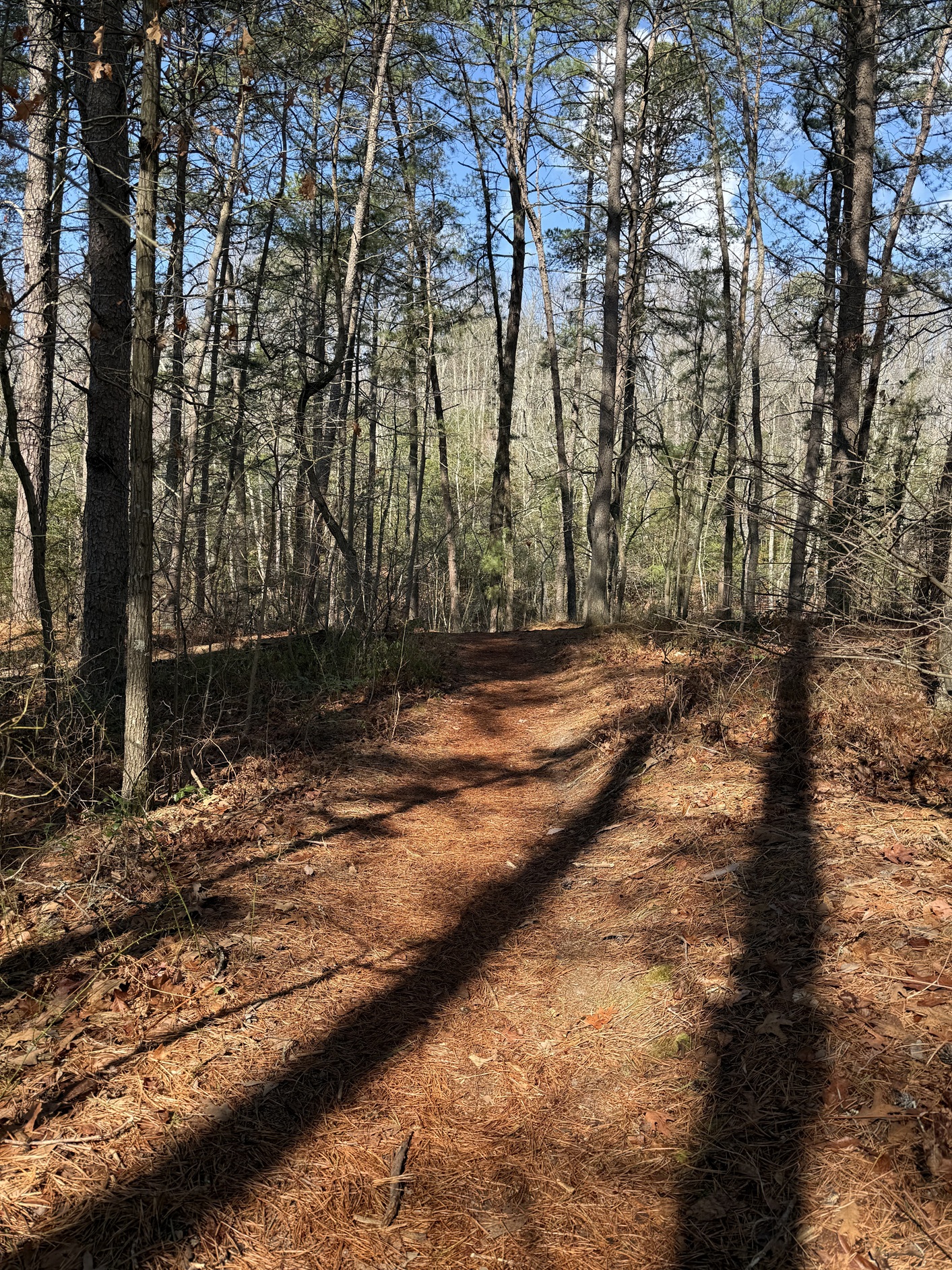
The area of Severn Run that I specifically investigated was south of the Route 3/Veterans Highway overpass/bridge, where there are a couple entry points for hiking trails (one off Veteran’s Highway, the other Indian Landing Road). The area is riddled with water access points, but is overgrown and a bit challenging to reach shoreline unless you’re quite determined and have muck-boots or waders (I did). To reach the area by boat, you head upriver past Matthews Point and three tiny islands that dot the map. The depth transitions from a shallow-but-navigatable 3–5 feet of depth to a tight channel of only 3 feet, which reaches into an expansive mud flat that’s only 1 to 2 feet deep on a high tide. Very shallow draft boats—jons, kayaks, maybe a flats skiff—can scoot into this area.
Nonetheless, this is the area where the yellow perch, common carp, and other species come to spawn each spring. Backtracking my visits January, I’ve observed schools of carp warming in the shallows on sunny days. I’ve tried my hand at fishing for them with European carping methods with minimal windows of time, caught a couple large fish, and plan to fish more as the weather abides this spring. More recently, on these past several visits, the evidence of spring and fish were everywhere.
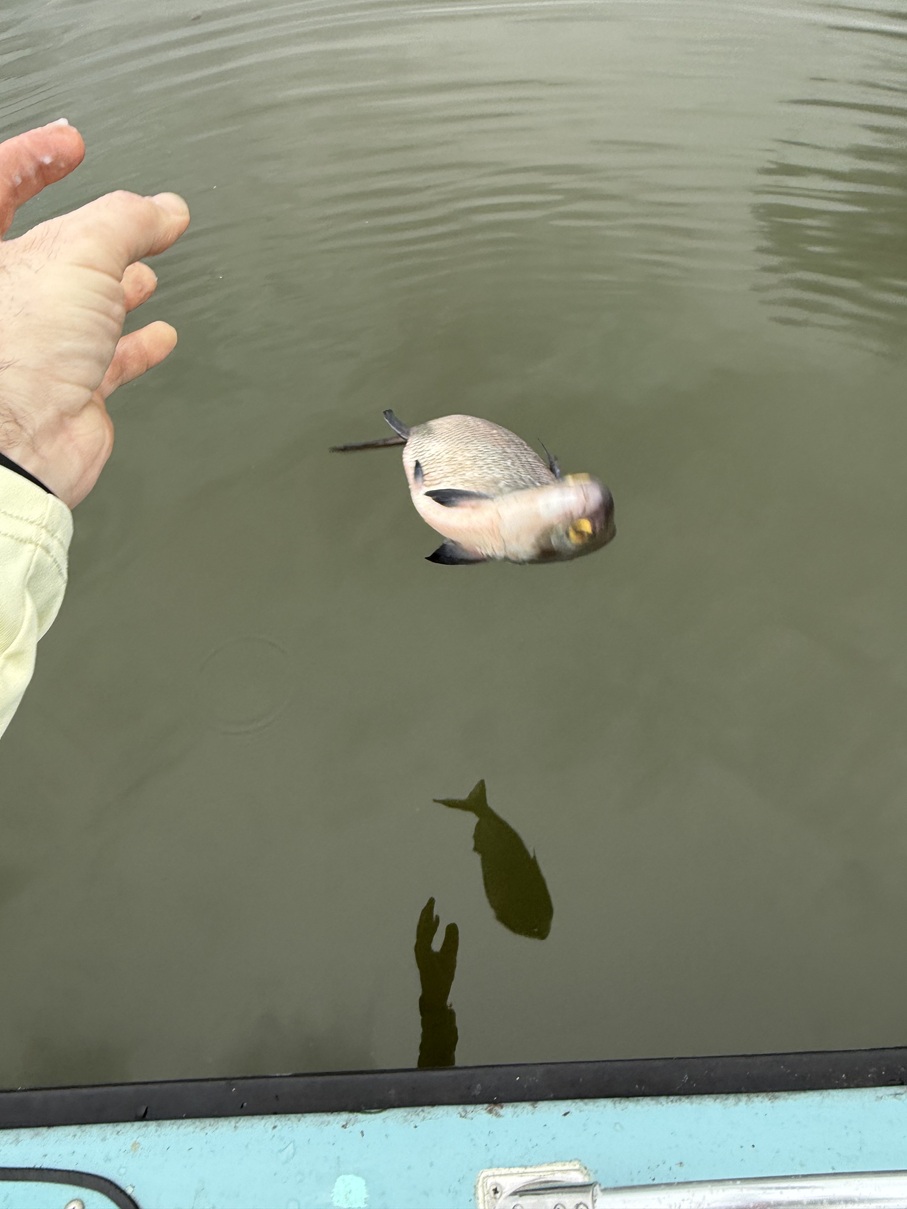
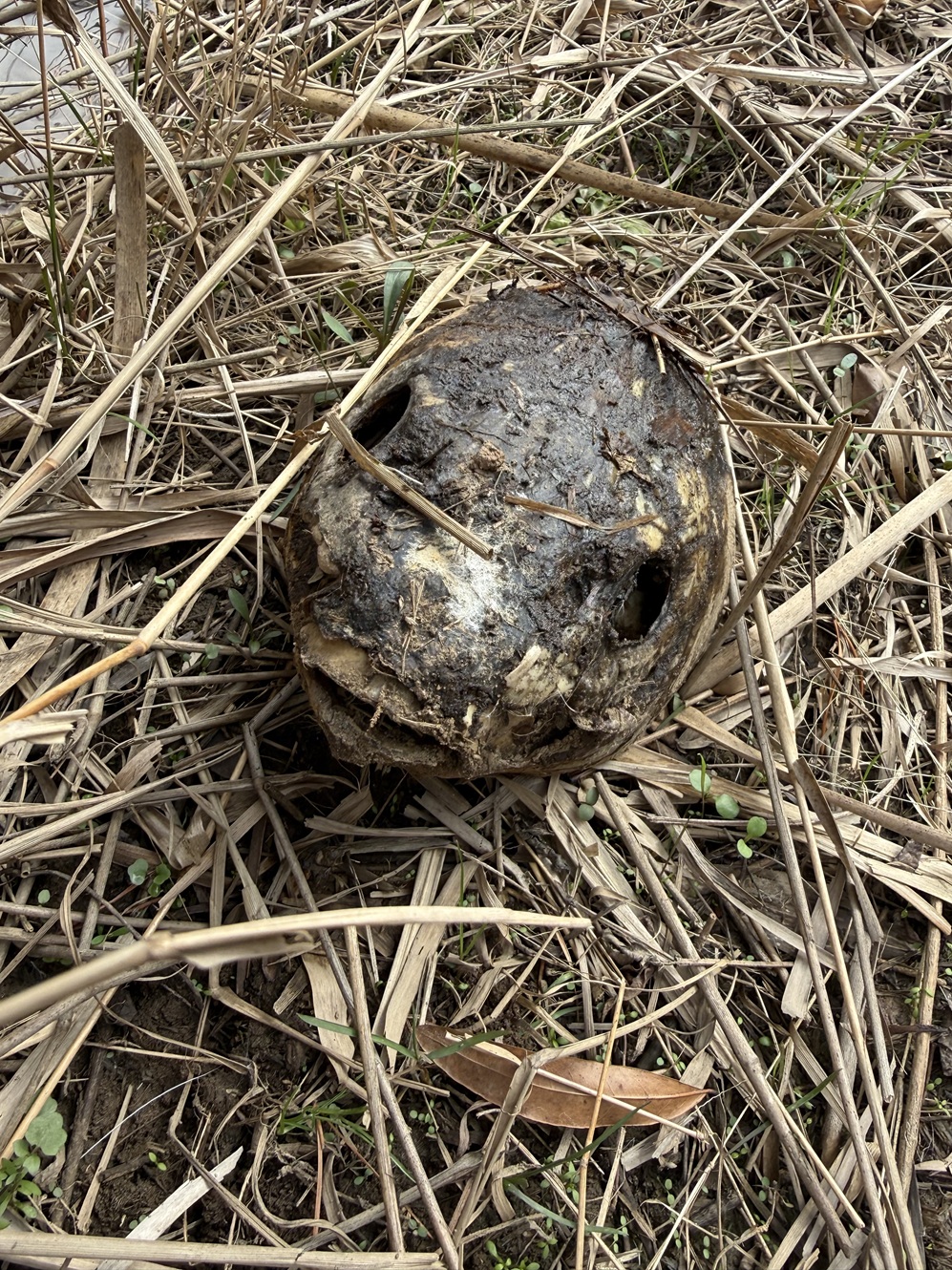
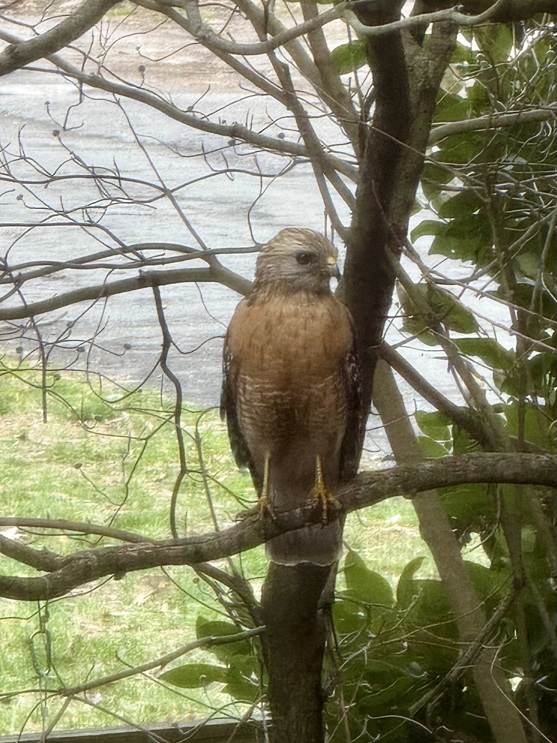
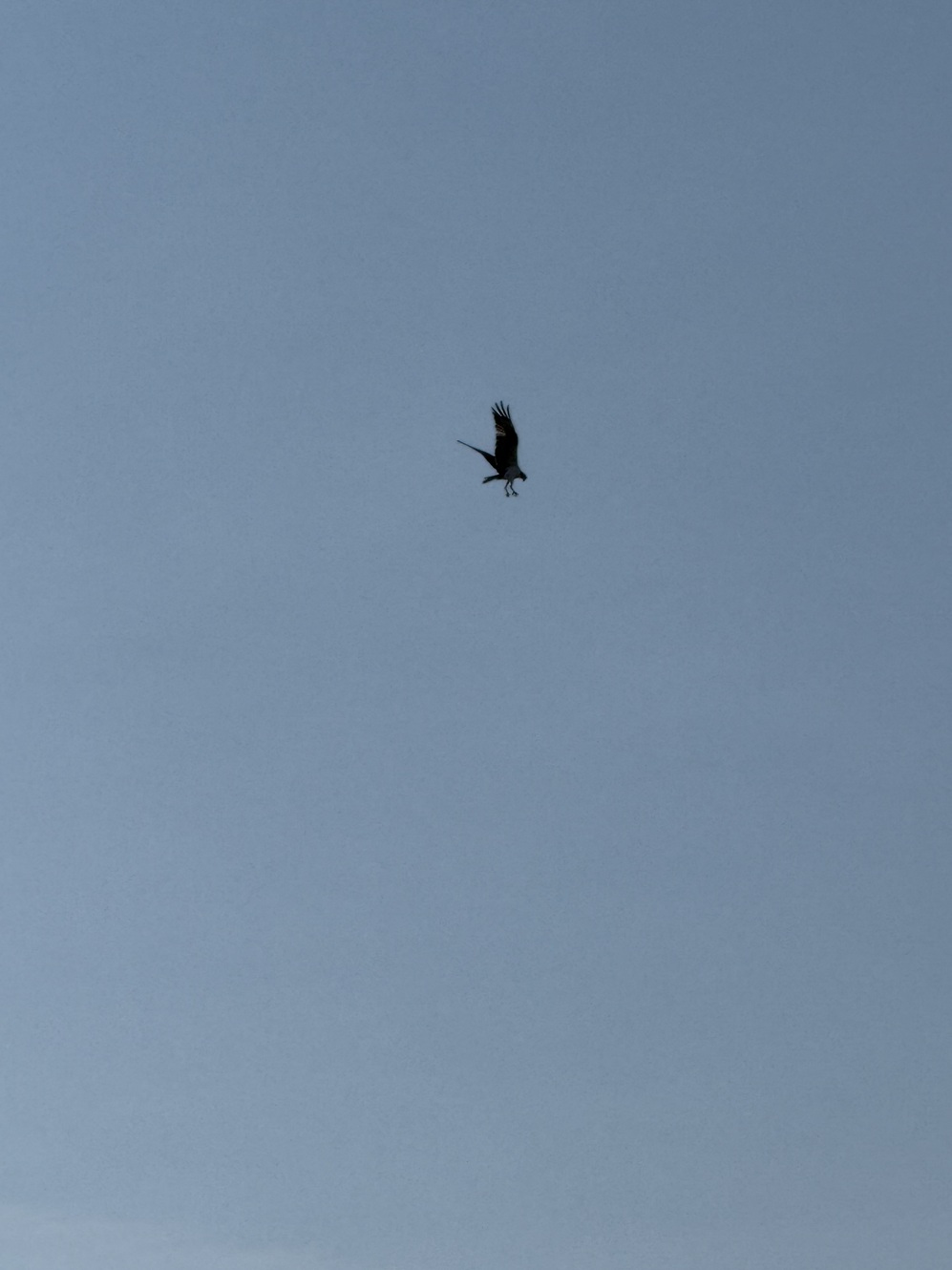
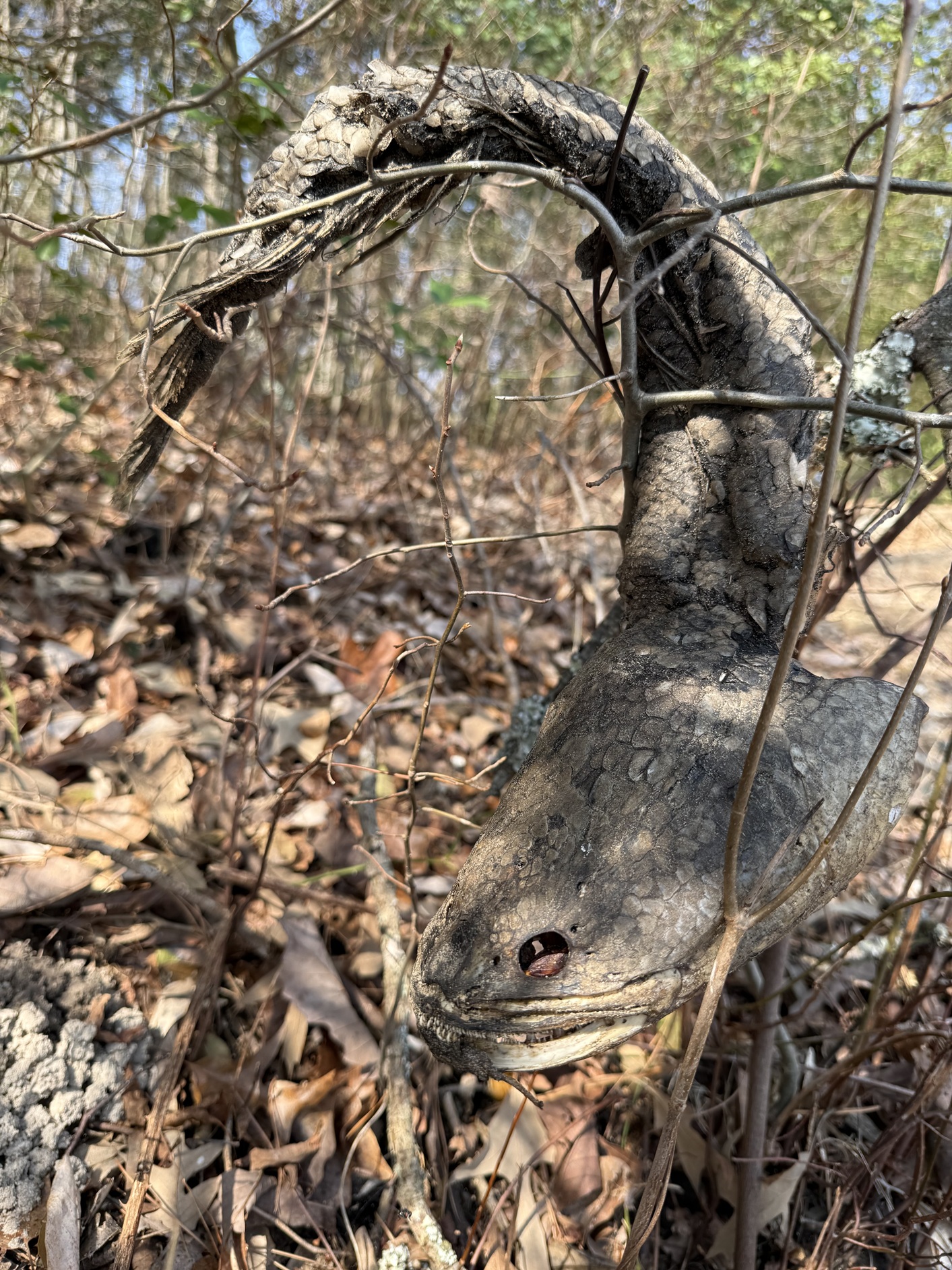
Severn Run is a great birding location. Eagles thrive here during winter into spring, feeding on the carp. Several species of hawks can be observed–most likely Red-Shouldered and Red-Tailed hawks, which I saw on these visits. Hiking to the furthest point/spit of land that serves as a choke point between the wide mud flat and narrow creek, I saw many large carp carcasses along the shoreline. I even saw a rather large northern snakehead carcass that had been picked clean. In the past week, ospreys have arrived and are joining the feeding frenzy. These birds will sight feed the flats from high above, swoop down quickly, and claw their prey. It’s a remarkable sight.
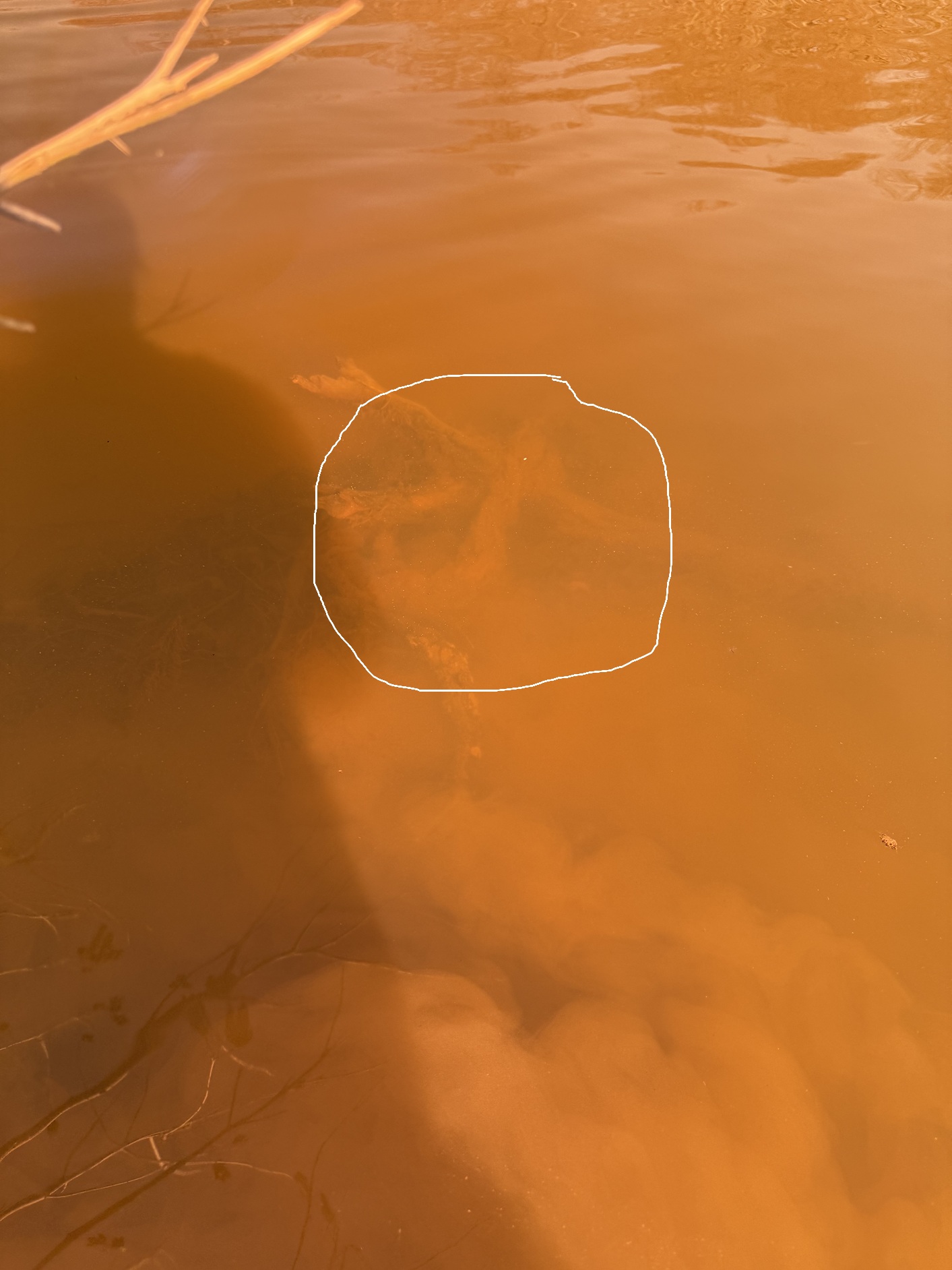
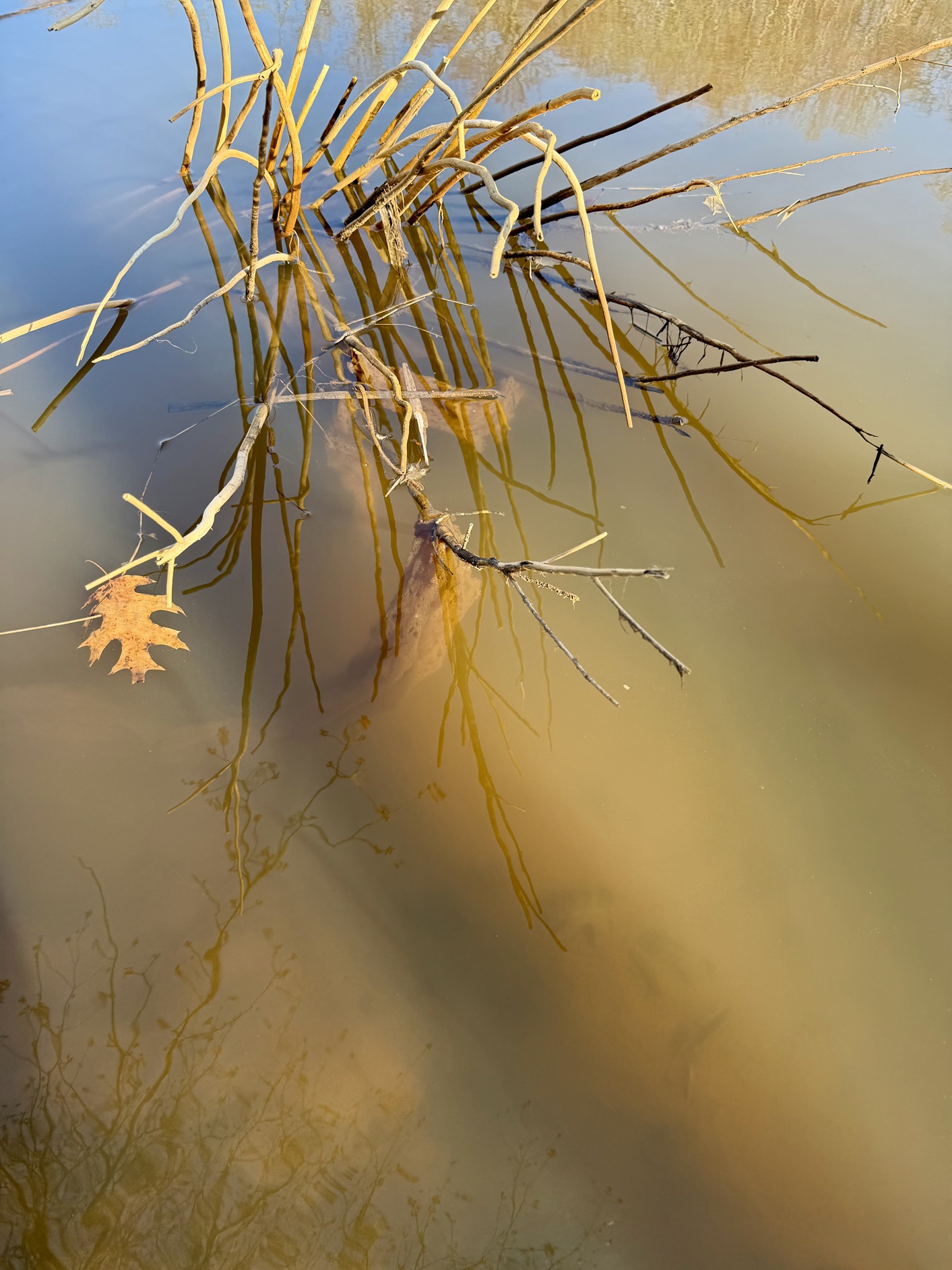
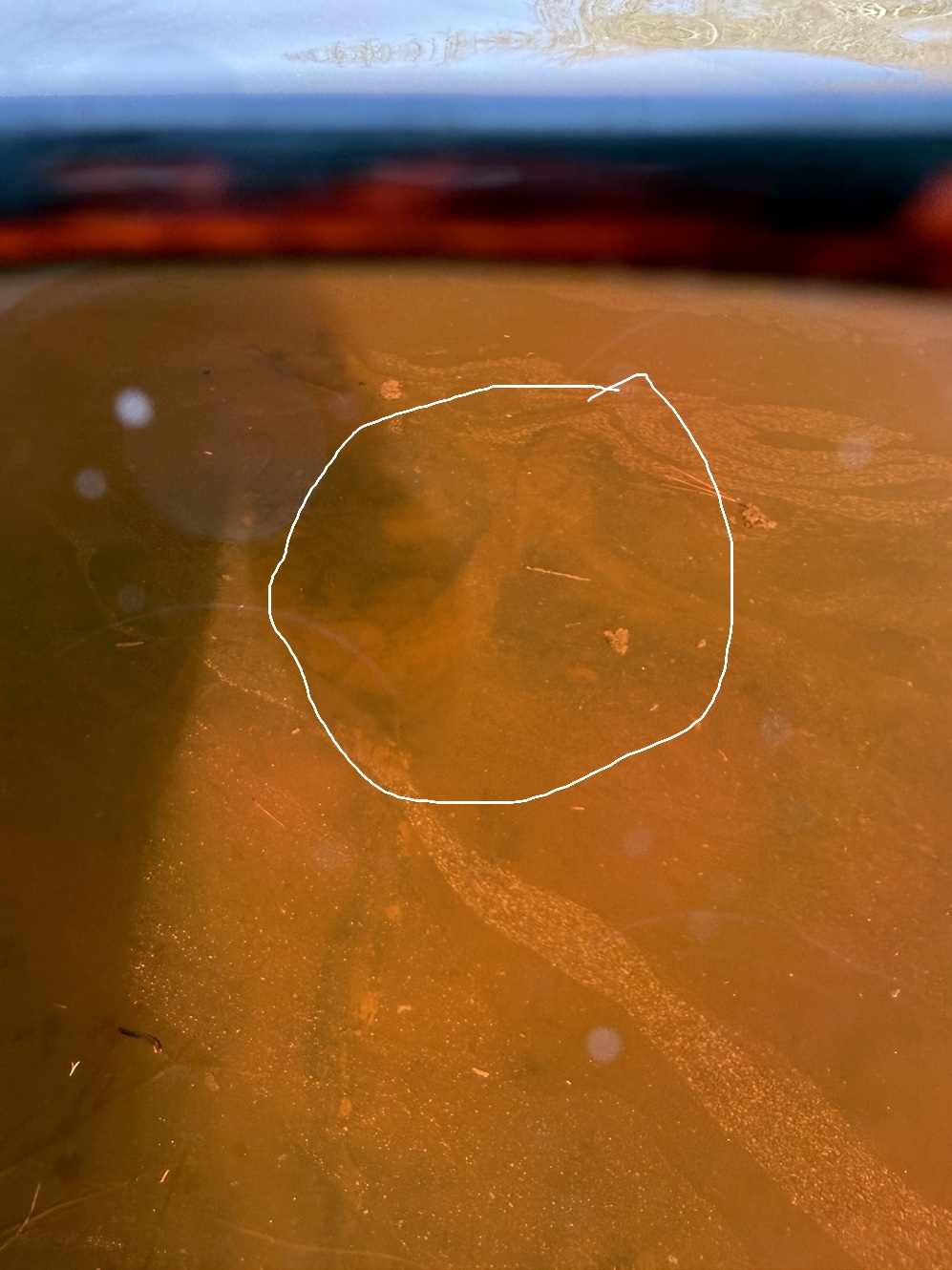
Maryland Department of Natural Resources prohibits fishing for yellow perch in an area defined as 2,400 feet downstream of the Route 3 bridge in Severn Run during February, March, and April. The area I visit by foot is about 2,600 to 3,000 feet downstream, so while I can legally fish for yellow perch here, the ethics of targeting them during the spawn raises eyebrows. I’m more interested in observing evidence of the species making its annual run upriver. Good news—on back to back hikes this past week, I saw ribbons of yellow perch eggs stuck to branches in the choke point area, where one would expect the fish to pass through during the spawn run. Recent science has determined that such egg masses in the Severn watershed aren’t as viable/healthy as in other river systems, but the fact that these fish are attempting to spawn, with or without success, is a positive. The fact remains, big yellow perch are caught in the Severn year round, so there must be something to this annual rite of spring.
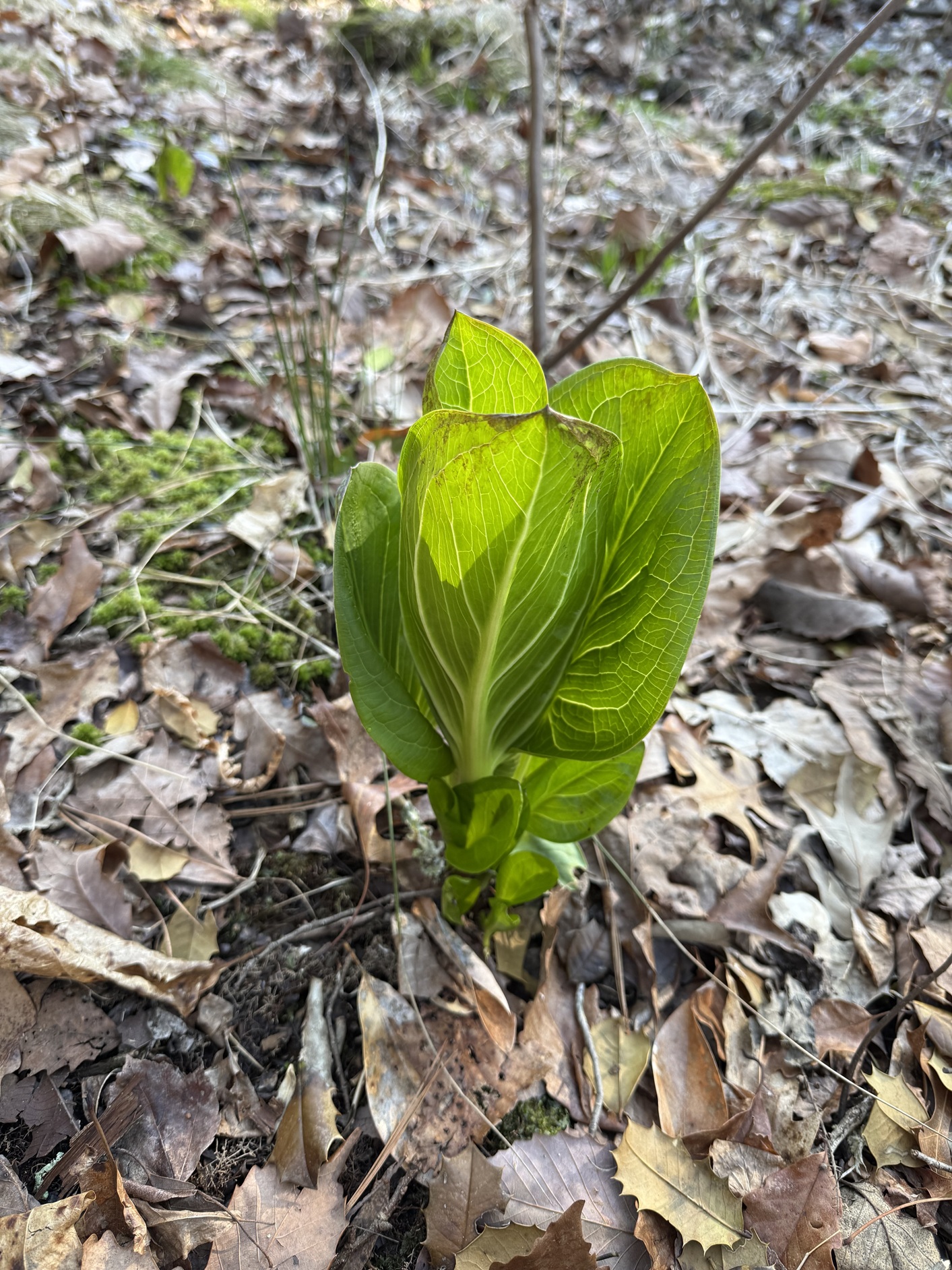
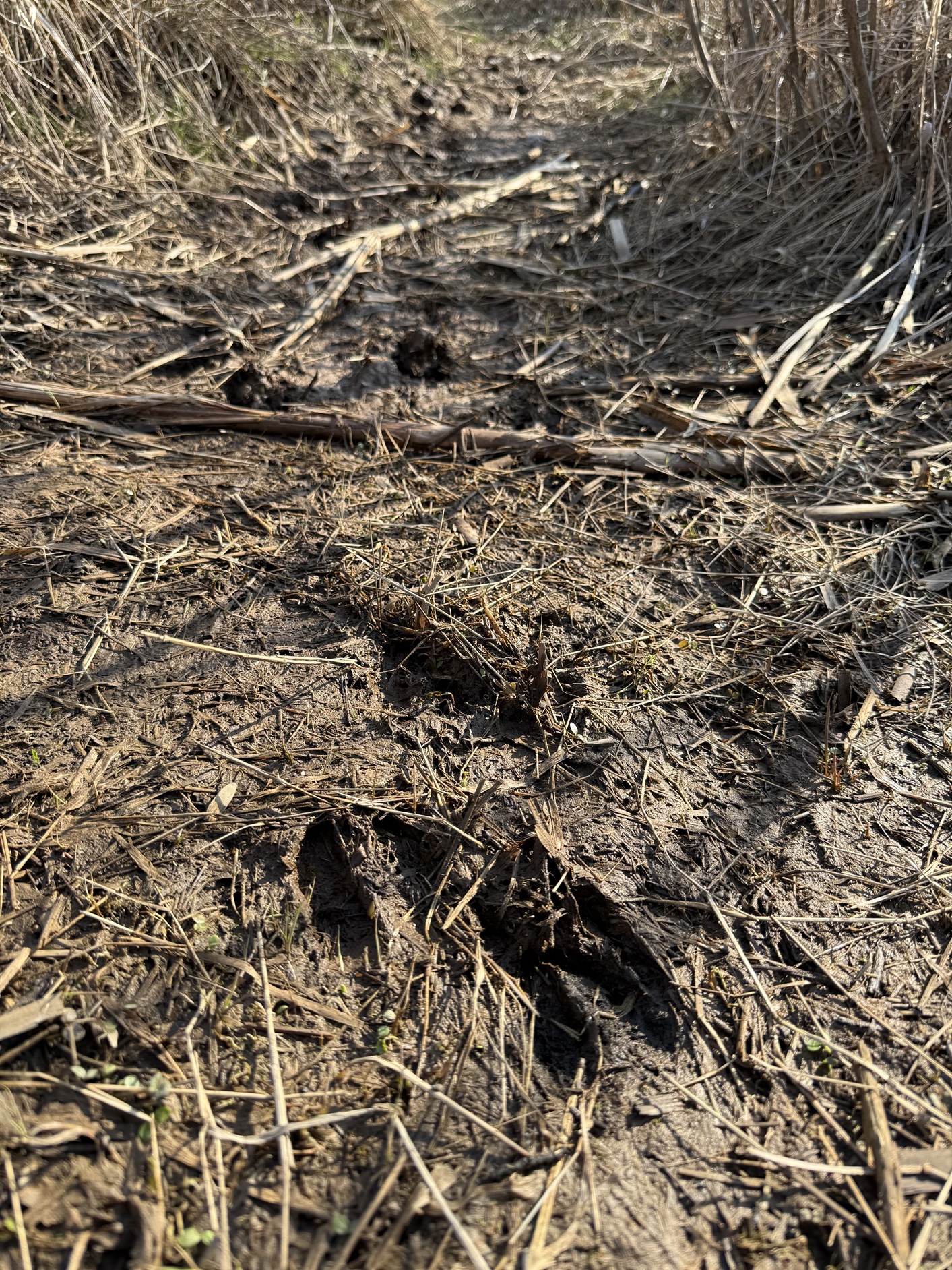
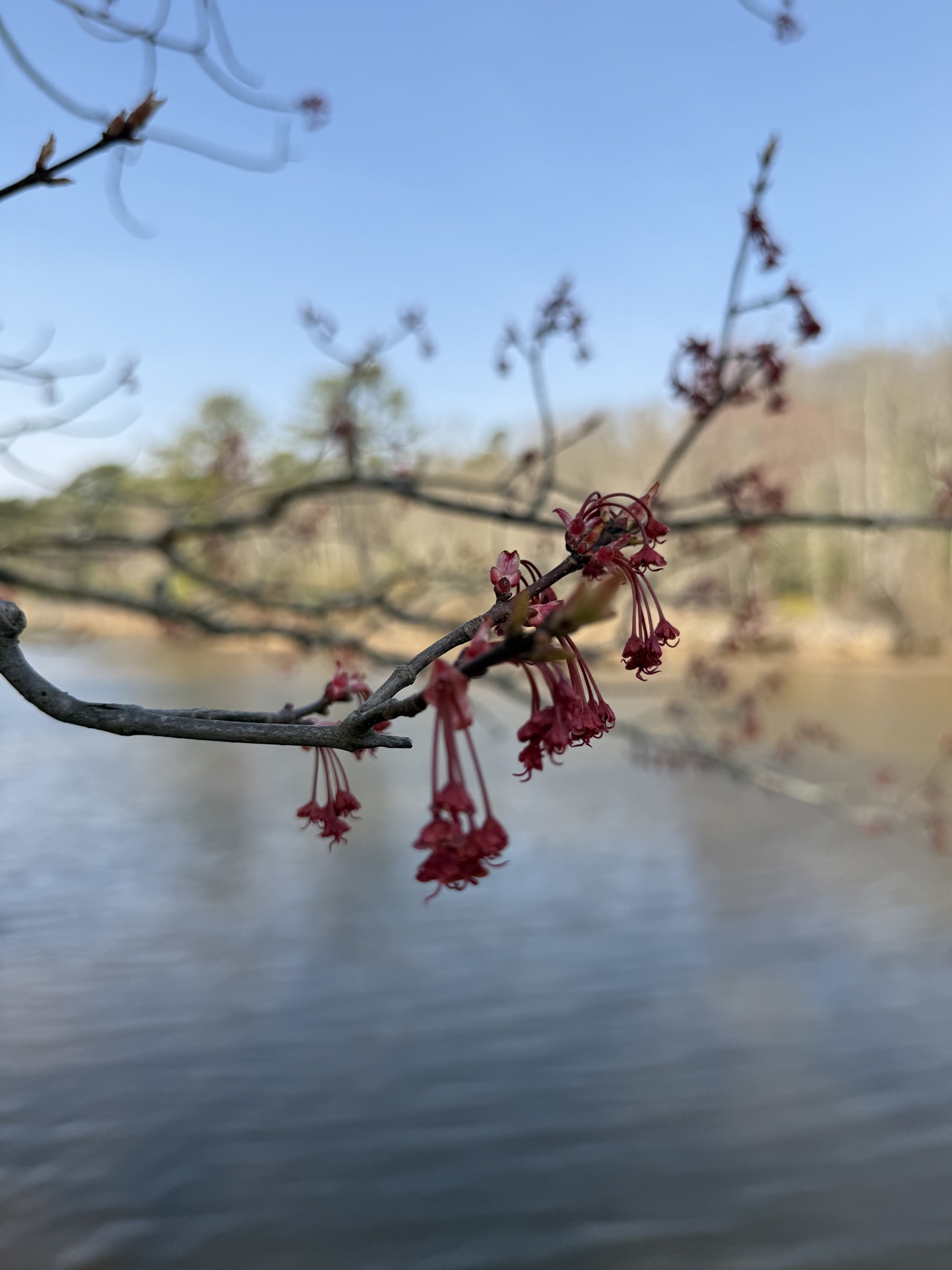
Other observations during my visits to Severn Run. The smell of fish in the air. During one recent boat trip upriver, I happened upon a few schools of gizzard shad. On subsequent hikes this week, that well-known “fishy smell” hung within Severn Run. I attribute it to the shad congregating there, as well as the many fish carcasses lining the banks. Turtles in the water and deer along the banks have been active. Also, the beautfiul, lush green skunk cabbage is popping up in the marshy areas of the run. And the redbud trees are showing their colors.
Everything is about to explode in Severn Run. Blooms will blossom, pollen will fill the air, and the greening of this forest/wetland will begin. In time, the riverbanks will be overgrown and even more challenging to navigate. And so, now is a wonderful time of year to visit Severn Run.
See y’all on the water again, real soon!