From January through December and season to season, we fished for various species in many locations using multiple angling styles!
A year of highs and lows, much like the swing of tides. This past year has been a bit of an anomaly compared to the previous five. This included a few firsts for me as an angler, a couple discoveries, long overdue visits to favorite holes, seasonal hiccups, and environmental changes. I’ll review the highlights, lowlights, and offer some thoughts about what has occurred in this 2025 Angling & Adventure Review.
Your mileage certainly varies if you fish the Chesapeake Bay. The bay system with its salty stem, brackish tributaries, and the freshwater lakes and ponds that dot the region is incredibly diverse and offers a range of fishing opportunities. It’s small wonder that fishing reports are so varied from angler to angler and season to season.
My fishing is generally concentrated in greater Annapolis and Anne Arundel County, and 2025 was no exception. But…I did venture to far-off fishing holes at times and that was great fun. And in my own backyard—within one mile from my home creek—I made a fun discovery. Let’s start there.
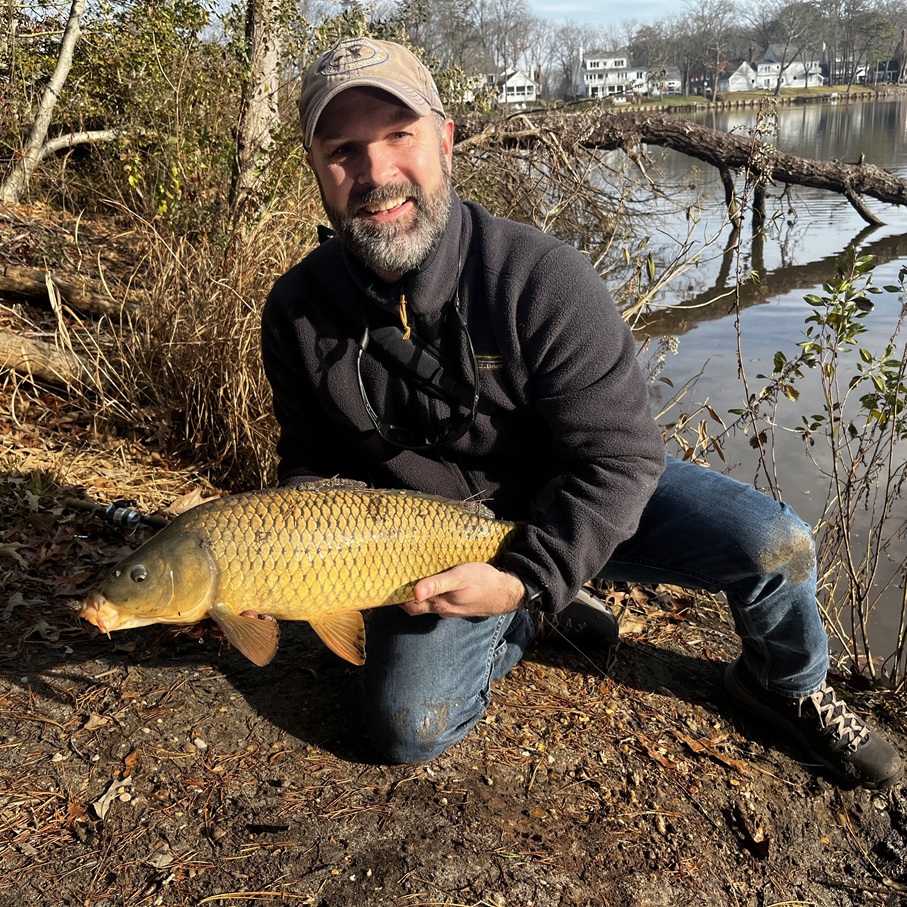
Just before New Year’s Eve, I took a family hike along the banks of the Severn River headwaters. It was a sunny day, about 40 degrees F. Never one to leave home without a fishing pole, I carried my light spin outfit that I use for perch, pickerel, shad, etc. We walked to a sun-drenched cove and when approaching the bank, I heard a stir in the water. Making a few casts with a tiny jig/stinger combo got a bite. A big bite! Turns out, there was a vast school of Common Carp sunning in the very shallow water. I hooked into about four fish, landing just one. I have caught carp in the upper Severn many years ago and know they populate the area…but not to this extent. The experience has captured me and I’ve taken a deep dive into the British style of carp fishing. More on this when I gear up and revisit my carp hole this winter into spring.

In January, Maryland’s Department of Natural Resources (DNR) resumed its preseason trout stocking program and I anticipated stockings within a half-hour’s drive of home. True to form, DNR stocked the Little Patuxent River in Savage Mill/Vollmerhausen Road stretch and I visited a couple times with my 5-weight fly rod. I also visited the Middle Patuxent River near Clarksburg in Howard County. A year earlier, I had success picking off a few stocker Rainbow Trout with small woolly buggers (black, brown, white worked). This year, not much luck. Interestingly, DNR adjusted the program to stock fewer-but-larger fish versus an abundance of small/average fish. I did catch a few Fallfish, which are always a fun and favorite winter hardy species to hook into. On one trip, I spotted and stalked an 18–20” specimen rainbow, but couldn’t get a take.
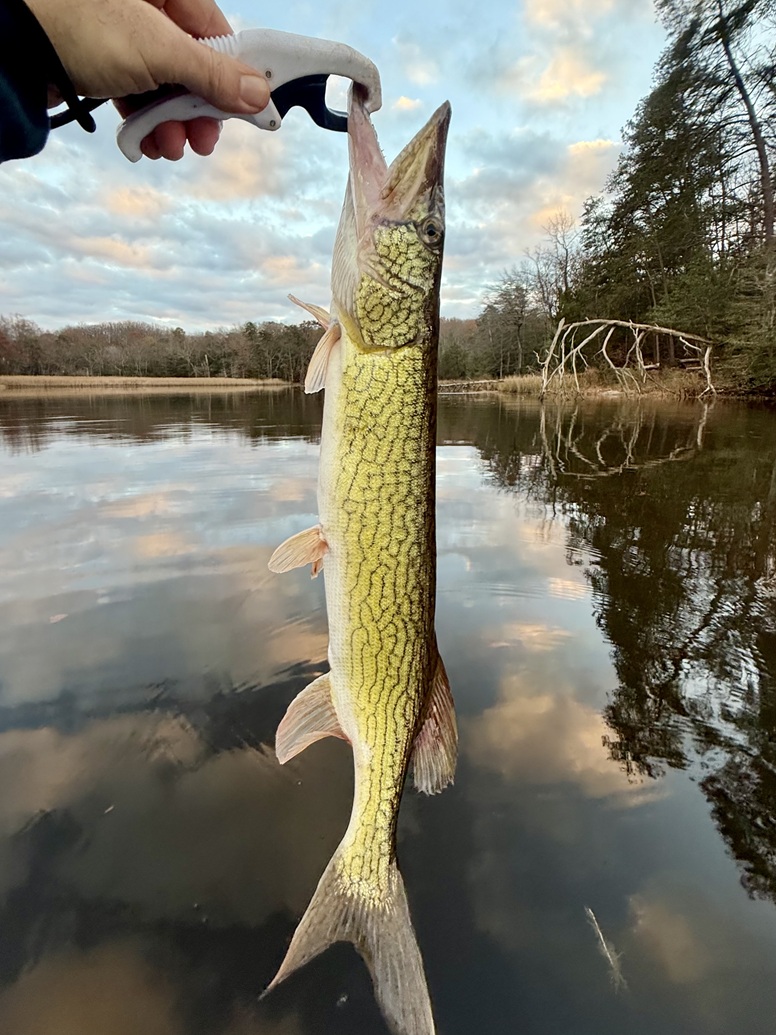
Thankfully, during the coldest stretch of winter and into early March, Chain Pickerel are eager to eat within the Severn, so I reliably targeted them several times during good weather windows. If I had a bigger boat—I’m talking about a Bay-worthy vessel 17’ or larger—I would have targeted trophy Striped Bass in the main stem of the Chesapeake. Last December through March appeared to be very good for anglers willing to put in the work for them.
I also took a couple stabs at targeting Yellow Perch, which are the first fish of the young year to start their spawning runs into the upper reaches of several tributaries. I visited one such “hotspot” along the Tuckahoe at Hillsboro in Caroline County, but didn’t time the run, so no fish that trip.
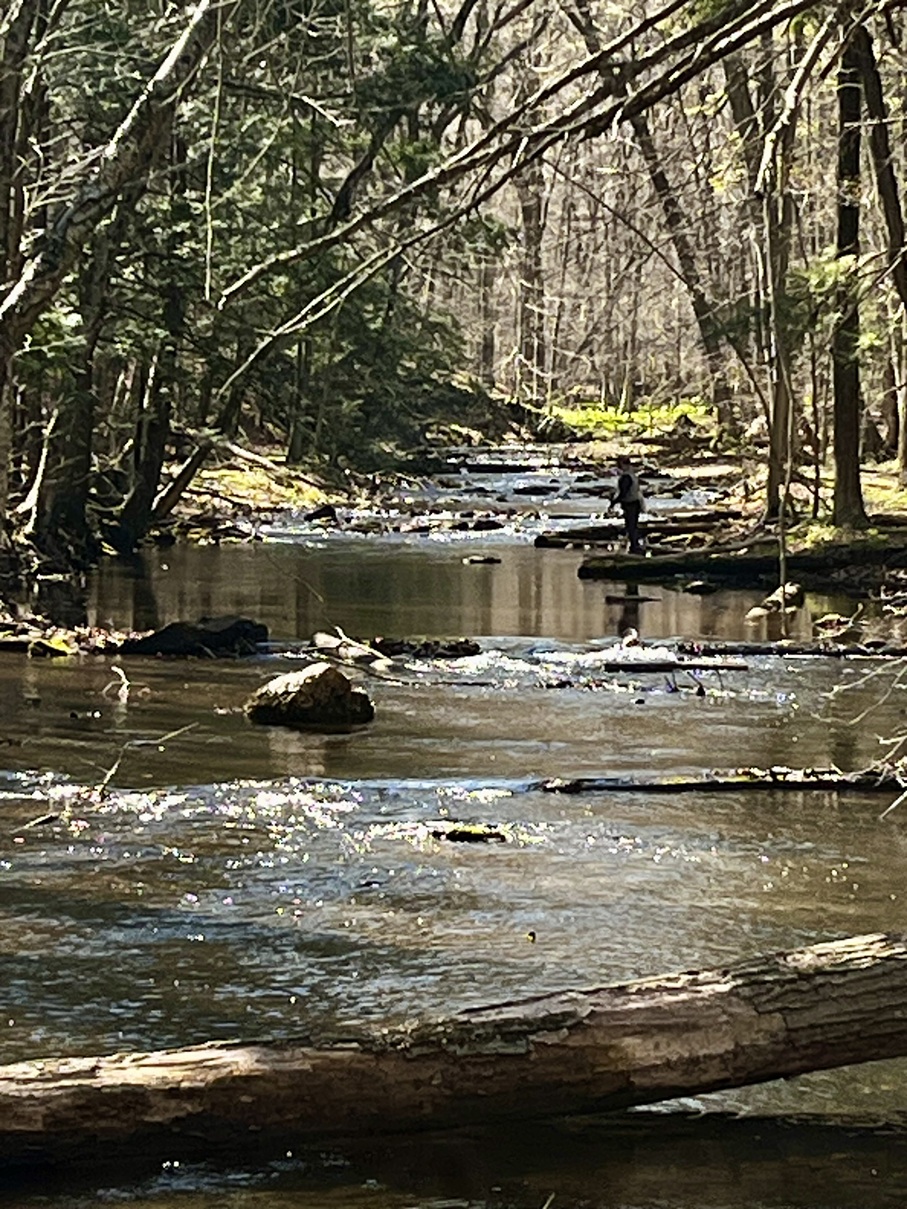
Come mid-March, my attention turns to American and Hickory Shad, as well as White Perch. There are many places sprinkled throughout the watershed to target the spring runs of these fish. Here’s the deal. For great spring runs of fish into the upper reaches of spawning rivers, I’m of the opinion that the fish need lots of spring rain to flood the rivers. This spring was very, very dry. My favorite spot along the Patuxent River had very low water all spring. From March through late-May, I made no less than ten visits to target shad and perch. I caught a few fish, but the numbers were awful compared to the past two seasons (2024 was a banner season for me). Because the river didn’t hold adequate water volume, I think the concentration of fish was way south of my access. Oh well. Here’s to hoping for a wet spring in ’26.
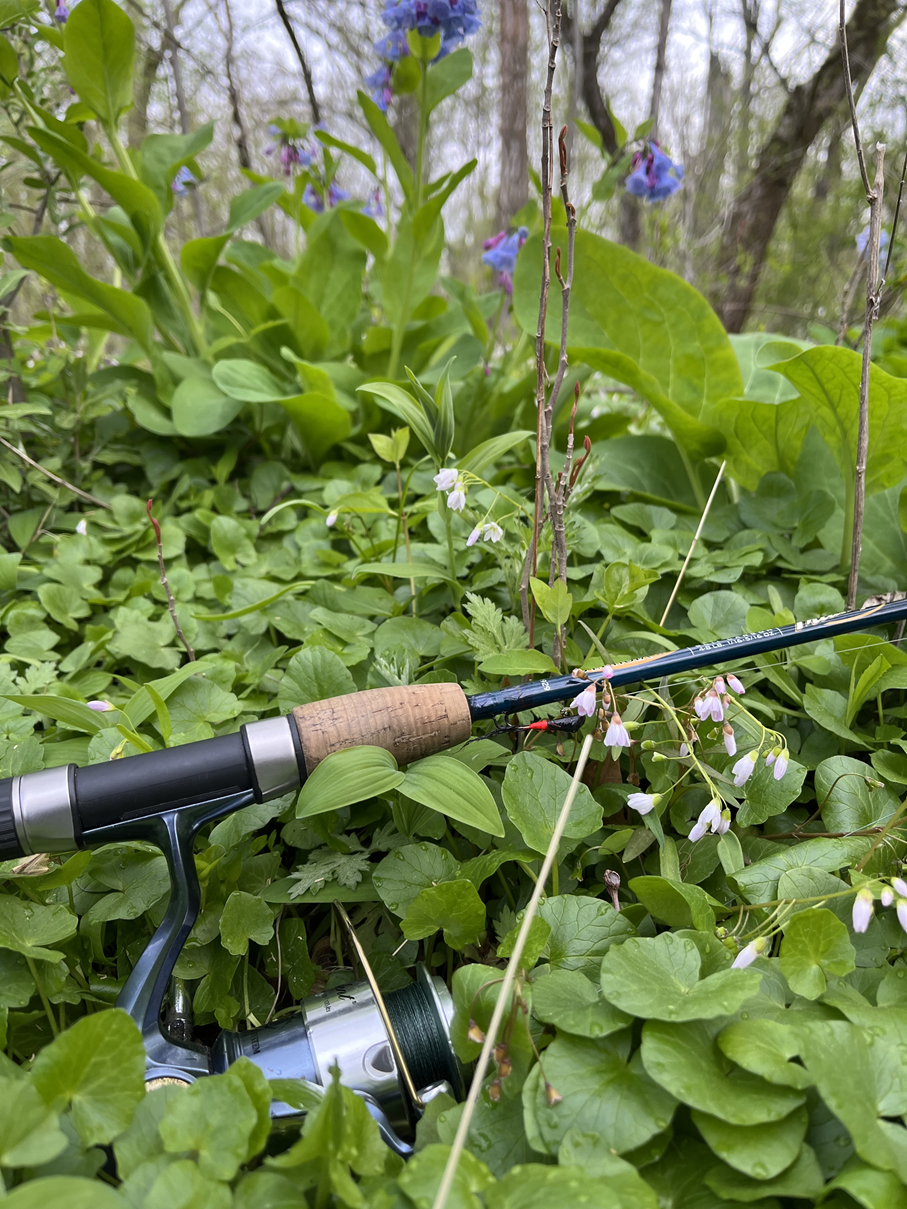
During Easter Break, I took the family camping to Cunningham Falls in Frederick County and we enjoyed beautiful, chilly hiking for three solid days. In between hikes, we walked along Big Hunting Creek, made famous as a fly fishing creek over the past century by angler U.S. presidents (Jimmy Carter most notably), local fly clubs, and the like. I paid my respects by fishing the 5-weight, hoping to hook into a native Brook Trout. I had one good hookup but the wily fish spit the hook. Nonetheless, the visit to this famed water was a first for me and it is a gorgeous stretch of clean water with boulders, river stone, laydowns, and juicy holes nestled between Appalachian outcroppings and hemlocks.
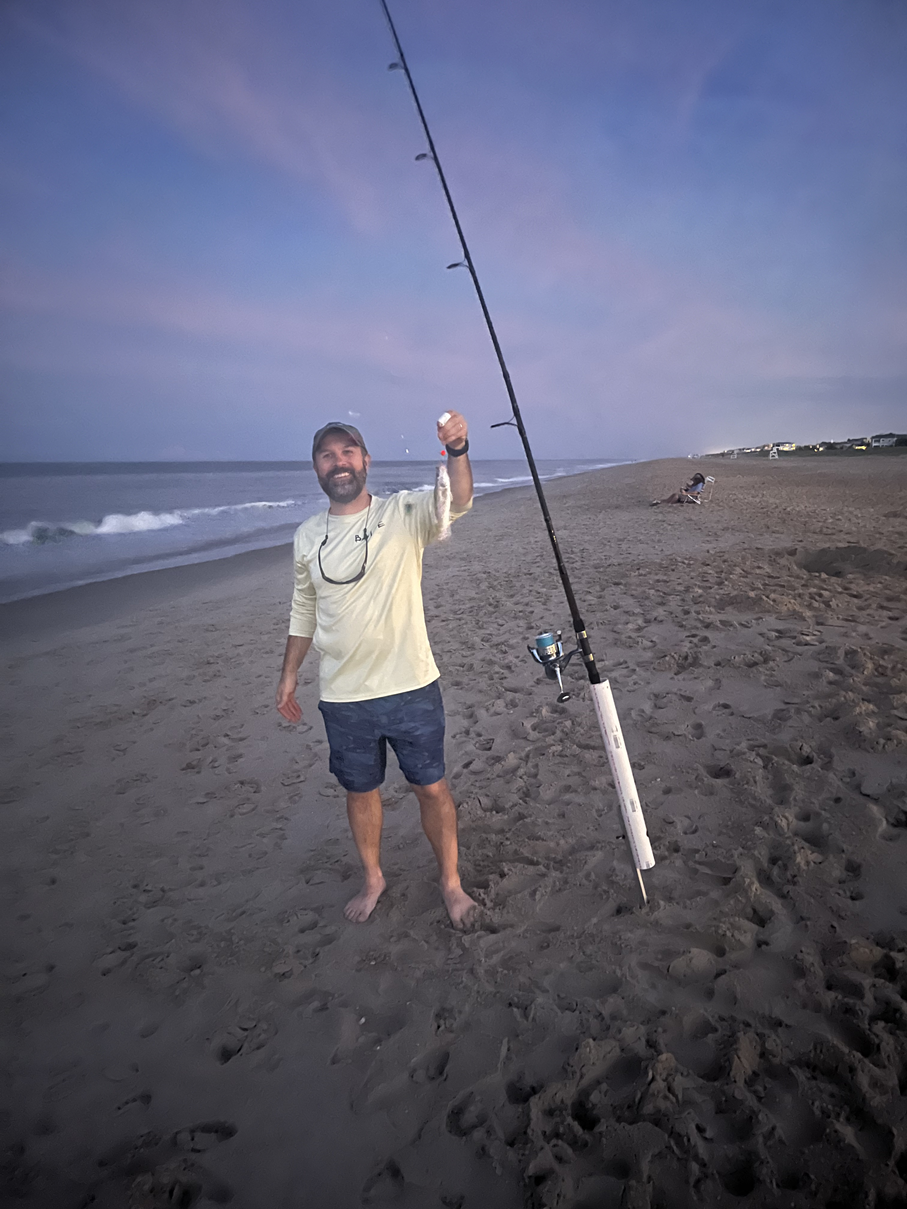
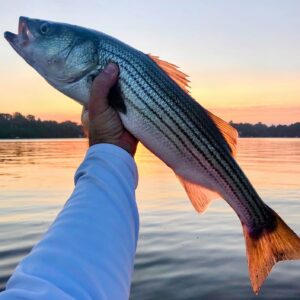
In May, the itch to fish for Striped Bass becomes too irresistible to not scratch. Usually, the schoolie size fish begin moving upriver in the Severn to begin their summer residency feeding on peanut bunker, minnows, and crabs. The topwater bite at dawn and dusk can be good. And you can usually find a few schools or small packs of fish feeding in deeper water at other hours of the day if you know where to look for them. This is a go-to option for me throughout the summer. This season was dismally bad for stripers in the Severn River—a sentiment bemoaned by many anglers. Patterns just didn’t materialize as expected this summer. Why? A couple thoughts. The dry spring didn’t help move fish upriver. Then a deluge of rain in June mucked the water. And lastly, the baitfish. Bait was present in the river but not of the same mass as in years past. The spring spawn may have been affected by water conditions, but also, the abundance of baitfish—specifically Menhaden—has repeatedly dwindled as a result of overfishing at the Chesapeake Bay’s mouth by industrial netters that harvest millions upon millions of pounds of fish to produce fish oil products. That’s another impactful variable in my opinion. Nevertheless, we fish on and hope our fishery managers and legislators wake up and do more to save our natural resources.
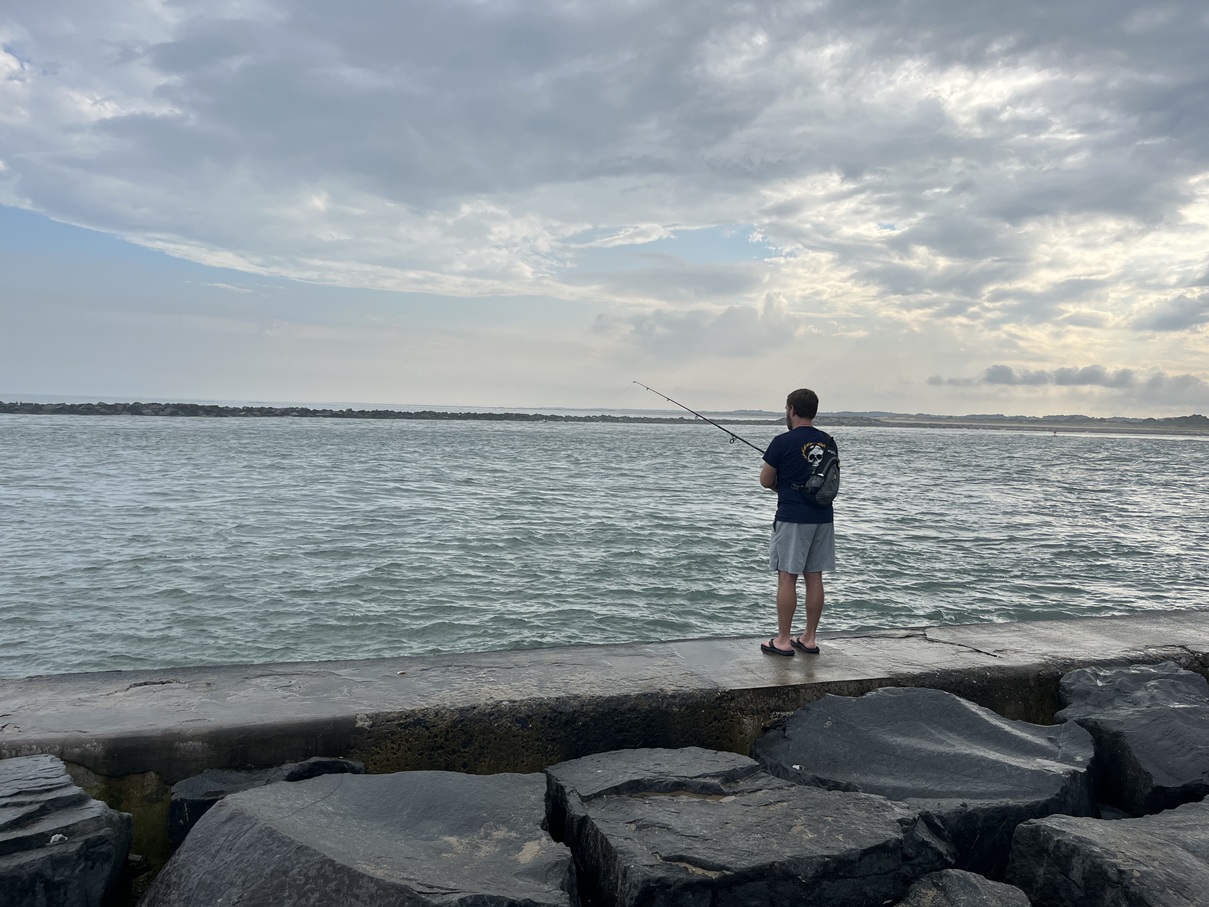
In summer, I also took a couple beach trips to the Delaware/Maryland coastline. Here, I enjoy fishing for small and large surf species. In each of the past three summers, I’ve hooked into a Sandbar Shark. I did again this year and the runs these fish take are thrilling. The bend in the surf rod, unmistakably shark. And with sharks, come risks. Not the least of which is a possible breakoff, which is, of course, what happened to what was possibly my favorite hookup of the year. Oh well. Small species, such as rays and kingfish, made up for the big miss with a little bit of surf fishing fun. The family also obliged my request to visit the Ocean City inlet so I could try my hand at fishing for Sheepshead along the jetty. Using tog jigs and FIshbites product, I managed a couple hookups. Fun and another first for me.
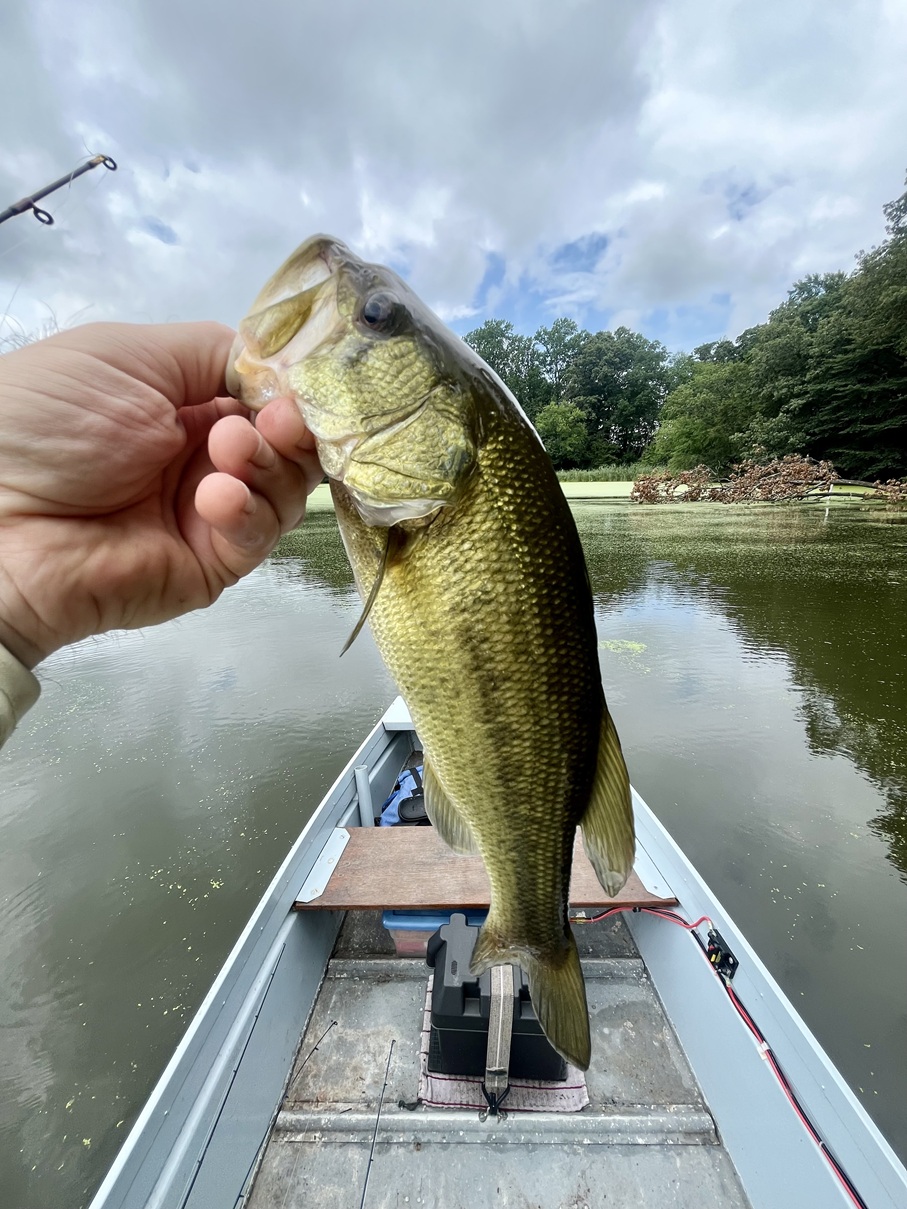
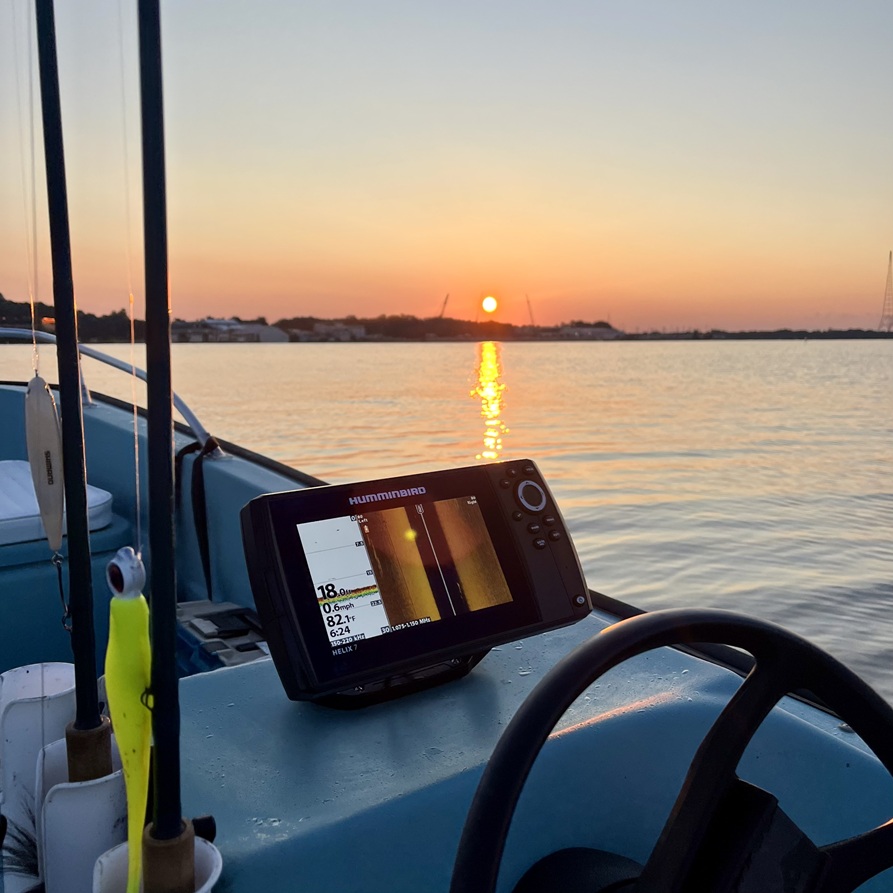
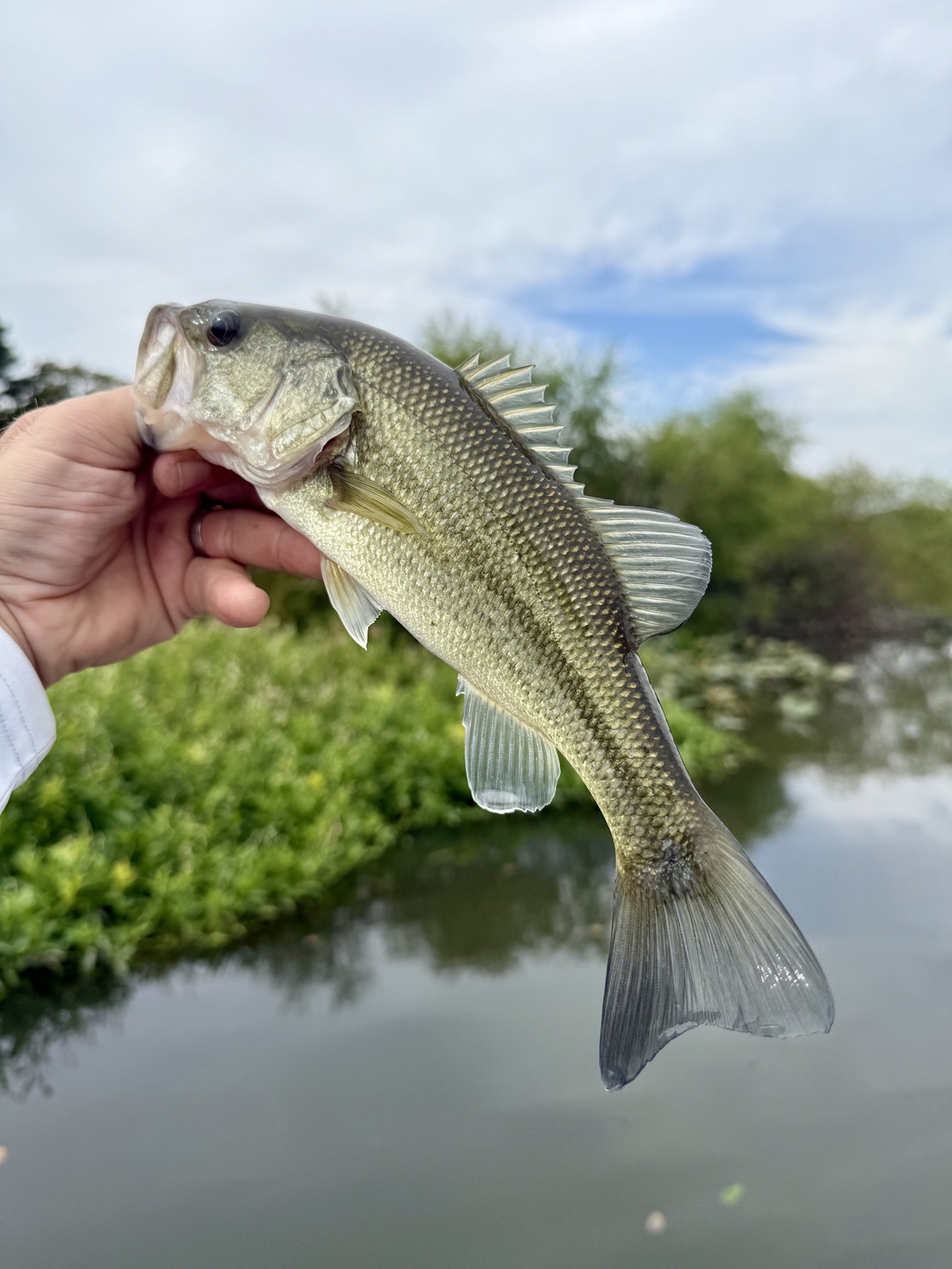
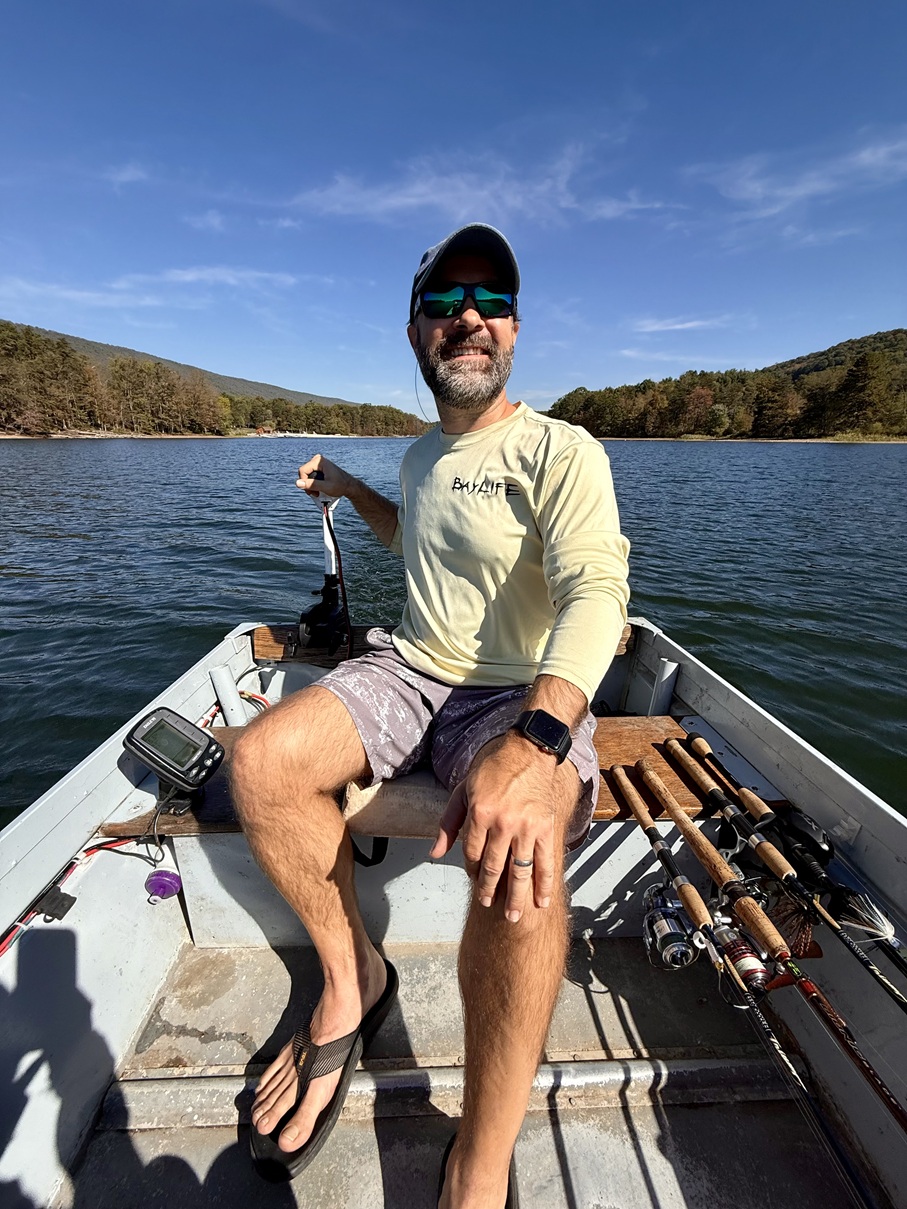
Home from the beach and the salt, I turned my attention to smaller, fresher waters. Having recently purchased a new trailer for my 12’ jon boat, I could now take the vessel to the millponds of the Eastern Shore—something I couldn’t really do for the past decade. Go figure. So I planned a few trips to Unicorn, Tuckahoe, and Wye Mills lakes to fish for Largemouth Bass. Finesse fishing wacky-rigged stickworms on spin outfits in the mid-summer heat around the lakes’ laydowns and deeper structure (mostly sunken Christmas trees) produced a slew of largies, but none bigger than a couple pounds. Yet, it was pure joy fishing for bass again. I hadn’t truly targeted them the way I prefer in a very long time, so these trips were a treat. I will note that Unicorn Lake in Millington was saturated/choked out with algae and weed growth each of the two times I drove out there (two months apart). This doesn’t bode well for this lake’s health overall. I plan to visit Unicorn in the spring and will report. The other two were clean and quite fishable.
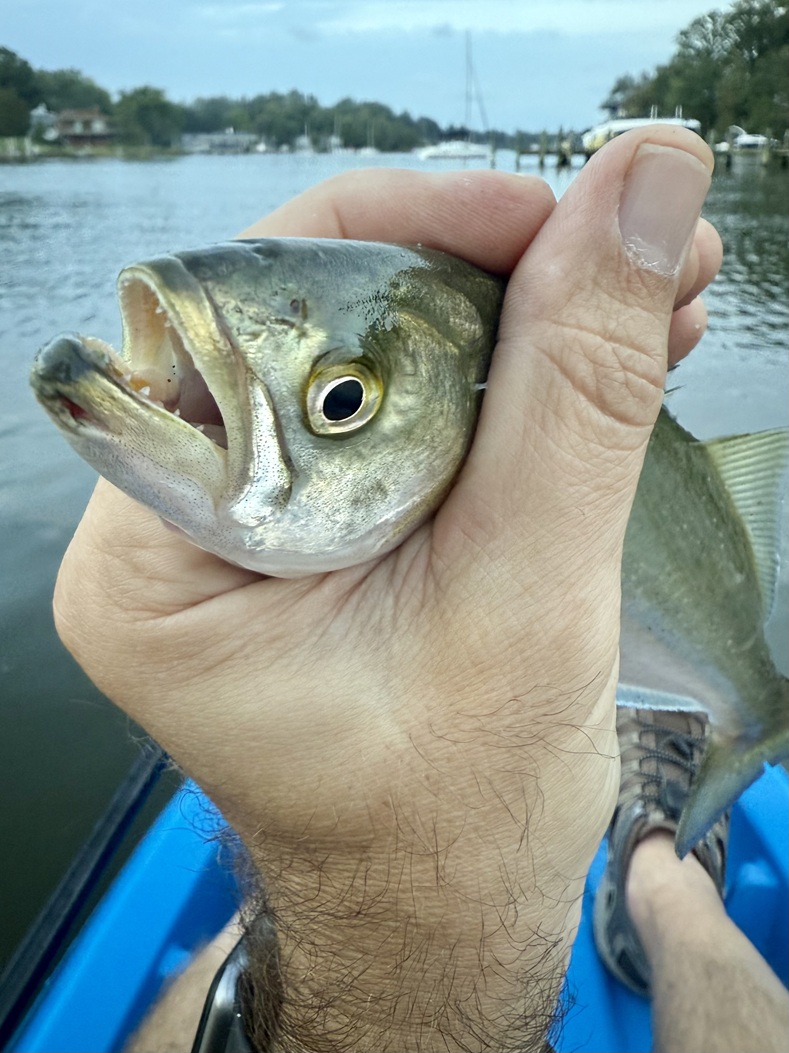
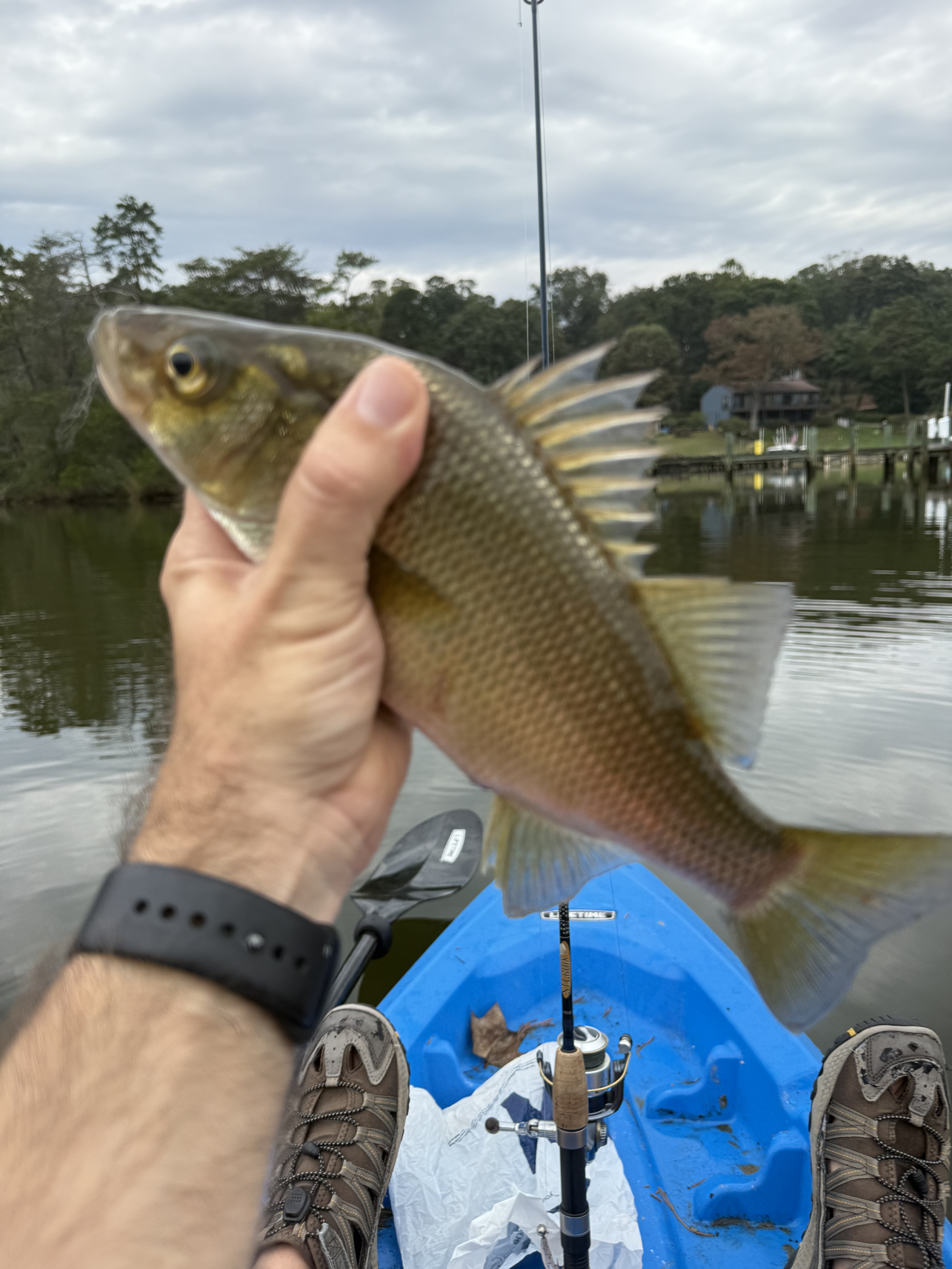
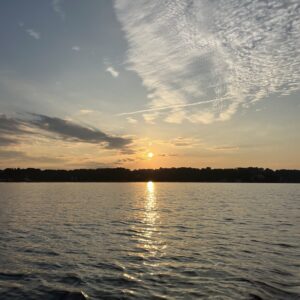
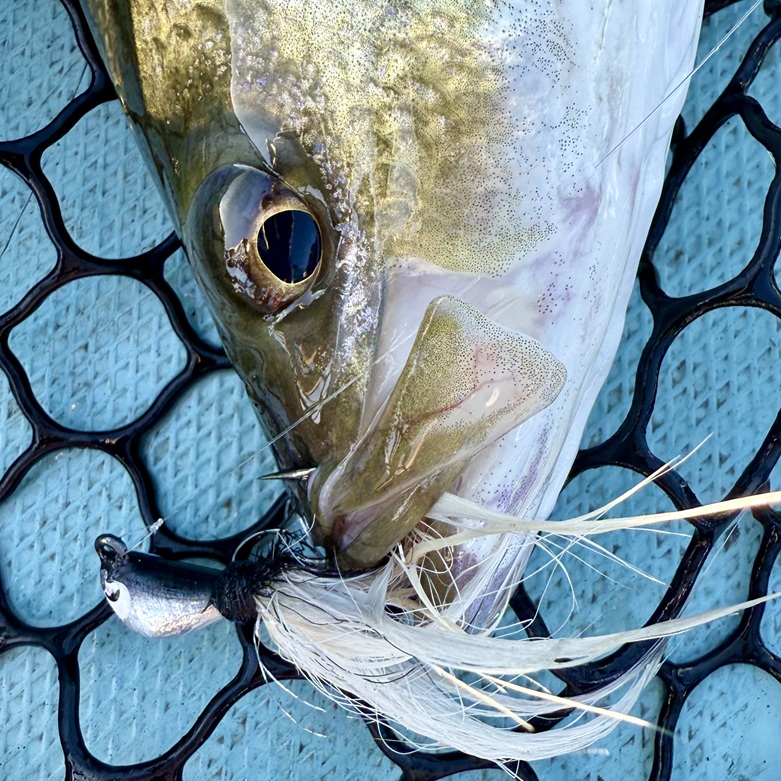
Come August, I procured a couple small kayaks for my son’s birthday and outfitted one of them with a few fishing-friendly accoutrements, like rod holders. This month and into September, October, and even late November, I’d make a number of morning runs in the kayak to the back of Valentine Creek to see what was biting. On those trips, I took just two light spinning rods and threw just two styles of lures—a small 1/8oz jighead tipped with tiny paddletails and an inline spinnerbait. The species caught: White Perch (including a pack of jumbos on a couple outings), baby Bluefish, Striped Bass, Chain Pickerel, and a surprise Largemouth Bass! The action in the kayak was actually very, very good this fall. A good sign for sure.
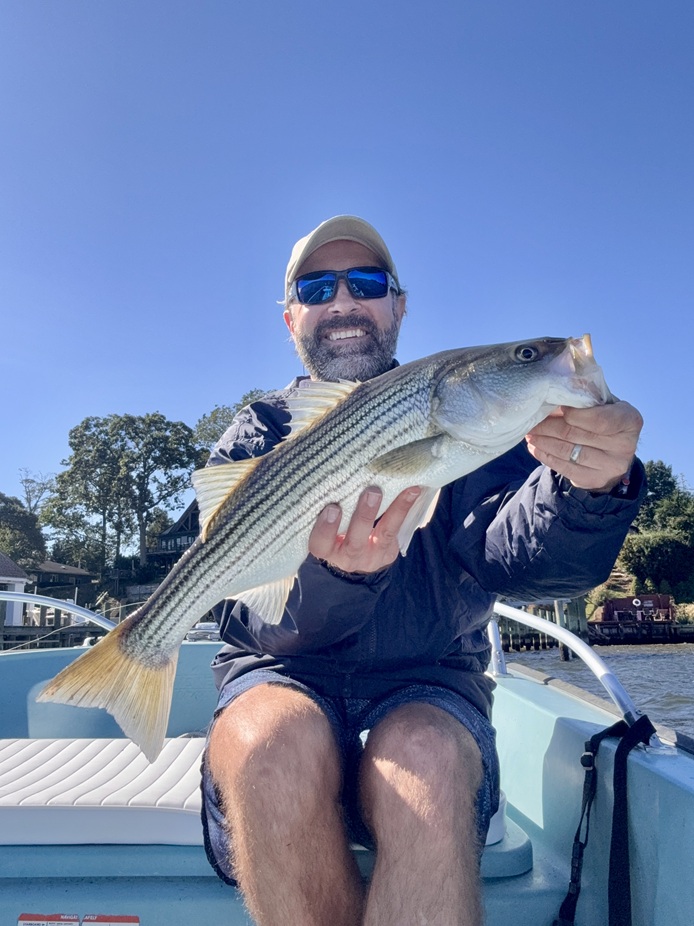
A touch further downriver, in the Round Bay vicinity of the Severn, I’d take my 14’ McKee Craft to search for schoolie stripers. In the fall, we can usually find bird shows and schoolies surface feeding on peanut bunker in the mornings and evenings. The past five or so seasons have had some very good showings. Not this year. I didn’t witness one bird show in the Severn this fall. In the Chesapeake Bay proper, bird shows were few and far between unless anglers travelled south of Poplar Island and Chesapeake Beach. By most accounts, the fall season was not good. Come to think of it, I don’t believe I caught one topwater striper this entire year. So weird.
That said, I did have a couple good outings fishing another reliable pattern—slinging small bucktails under deep water docks. It’s a tactic that produces when the fish are holding deep off ledges between morning and evening. If you mark ’em, you can usually catch ’em. And I did in October.
Also in early October, I took the family on another camping trip to Western Maryland. This time, Rocky Gap State Park and Lake Habeeb. The deep water impoundment reaches down to 70’ at the dam and runs as shallow as a couple feet at its headwaters. We took the kayaks and jon boat to the lake and had fun farting around. I fished a swim-style worm or chatterbait over deep weeds in about 7–10’ of water within a few coves and the deeper dropoffs. I had a couple hookups with small bass, but not the trophy sized largemouth I was hoping for. Still, another first in the books by having visited one of the state’s larger freshwater lakes.
In November and December, I usually make a few runs down to the Severn’s two bridges—the Route 50 and Naval Academy bridges—to jig the massive pilings in 20 to 40 feet of water for stripers. I made only one such run this season and didn’t hit any fish, but did have fun marking all the sunken concrete structure from the century-old bridge that was demolished a few decades ago to build the new Naval Academy bridge. Very cool.
By Thanksgiving, I almost exclusively began fishing for pickerel and perch. My outings concentrate in the creeks of the upper Severn River by working the shoreline structure—rip rap, docks, laydown trees—with a mix of lures, including small jig/paddletails, inline spinners, small crankbaits, and jerkbaits (I love Rapala Xraps). I also run surface swimming lures over dying weedbeds and along the weed line. This produced a good mix of both species. I was hopeful to find a large school of yellow perch, but that hasn’t happened yet (at the time of this writing).
With the year wrapping up, a review of my angling efforts is a helpful endeavor as I begin to plan for what’s ahead. More fishing certainly, but with experience and intel in hand, I’ll have a more targeted approach to my efforts. For example, I look forward to trying some new methods when approaching carp. I have some ideas to try based on last year’s observations. Conversely, I didn’t really target Northern Snakehead this year, nor Smallmouth Bass, but plan to in 2026. With that new jon boat trailer, I’ll be able to access more fishy water than before and can plan outings to new water (new to me at least).
It’s something to build upon year after year. It’s a big part of why I fish—I enjoy figuring out old water, new water, reliable species, and unpredictable ones. Trying new angling styles is also great fun. And so, with 2026 on the horizon…
See y’all on the water again, real soon!